Expert Opinion

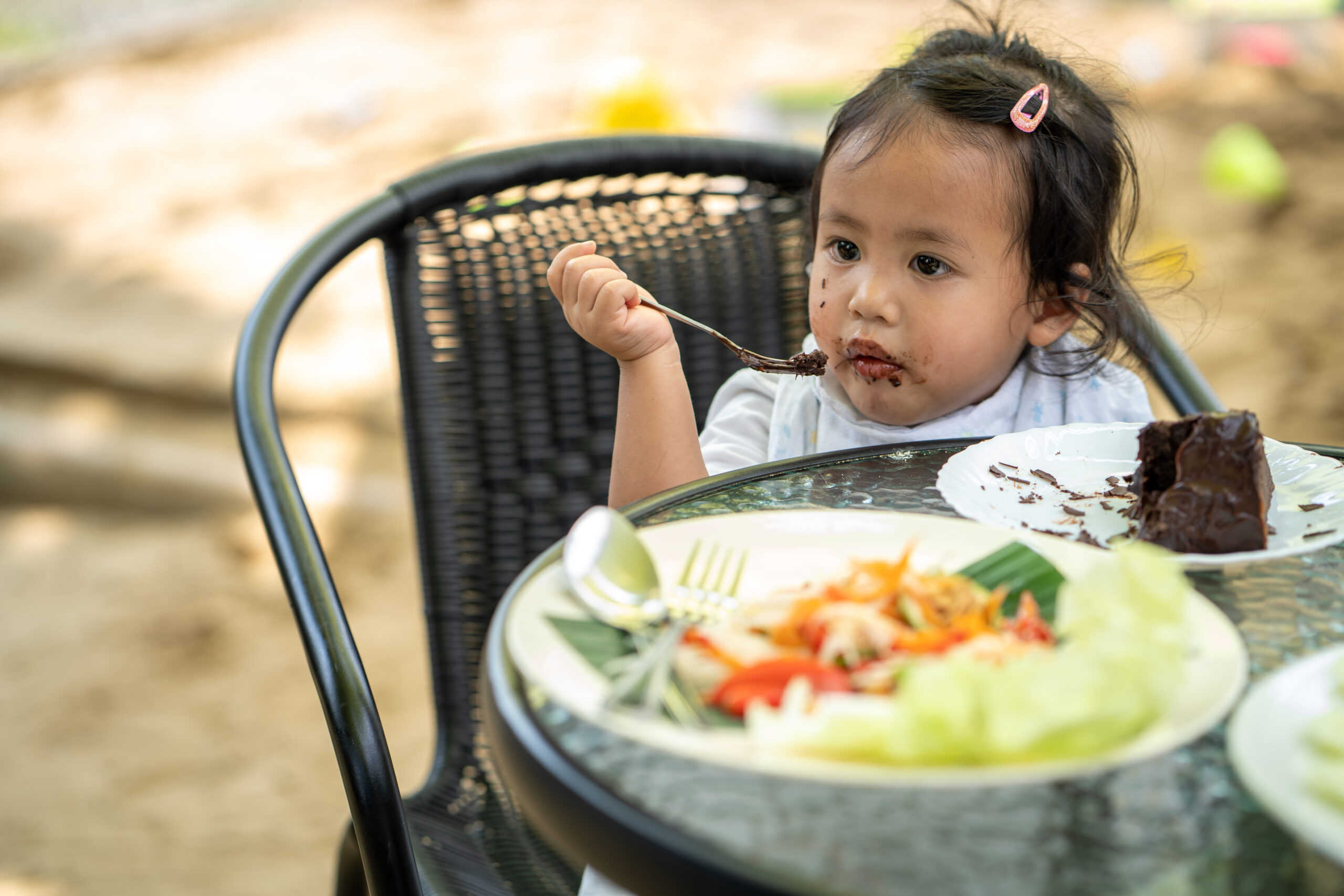
Happy, Stress-free Mealtimes

If you’re a parent, chances are you’ve found yourself wondering some version of the following:

Are my kids eating enough? Why are they so picky? Should they be having more variety?

For many families, mealtimes can quickly become a source of stress. What starts as a simple goal – to nourish our children – can turn into negotiations, pressure, or worry about whether they’re getting what they need.

But what if we gently shifted the focus?
Not just what children eat, but how it feels to eat.
This is a helpful reframe, because a child’s relationship with food is shaped by far more than what’s on their plate. It’s shaped by their emotional experience at the table.

1. (Felt) Safety first

For children, appetite doesn’t exist in isolation. It’s deeply connected to their nervous system and their emotions. When a child feels rushed, pressured, or overwhelmed, their body moves into a state of stress. In that state, eating becomes harder. Appetite can disappear, food can feel unappealing, and resistance can increase.
Alternatively, when children feel calm, connected, and safe, their body is more open to hunger cues, curiosity, and trying new things.
Before we think about how much they’re eating, it’s worth considering:
Do they feel relaxed enough to eat?

2. Predictability builds trust

Children thrive on consistency, especially when it comes to food. Regular meals and snacks offered at predictable times help children learn that food is reliably available. Over time, this builds trust in their body and reduces the urgency that can drive grazing or anxious eating patterns.
When children know that another opportunity to eat is coming, they don’t need to hold onto food, refuse it out of overwhelm, or eat past fullness. Consistent nutrition isn’t just about nutrients, it’s about creating a rhythm that supports a child’s developing sense of safety and trust.

3. Our relationship with food matters

The way children experience food in their early years shapes their relationship with it long term. When mealtimes feel pressured, children can begin to associate eating with stress or performance. But when food is offered in a low-pressure, supportive way, children are more likely to stay connected to their own hunger and fullness cues. They learn that eating is something their body can guide, not something they need to get “right.”
Over time, this supports confidence, flexibility, and a more positive relationship with food.
When children feel safe, supported, and consistently nourished, the feeling at mealtimes shifts. Curiosity grows. Food becomes less of a battleground and more of a space for connection, learning, and trust. From this space, so much else can unfold.
Because when we focus on the feeling around mealtimes, not just the food we plate up, we’re not only supporting our children to eat well, we’re supporting them to feel secure, capable, and confident in their own bodies. And that’s something that carries far beyond the table.

About the author

Jacquie Ward – Psychologist


Jacquie Ward is a Psychologist based in Sydney, Australia. She works with children, adolescents, and their families, supporting a range of presentations including anxiety, ADHD, autism, and highly sensitive temperaments. Jacquie takes a neuroaffirming, attachment-informed approach, helping parents better understand their child’s behaviour through a developmental and nervous system lens.

Alongside her clinical work, she provides parent education, workshops, and resources designed to support calm, connected, and sustainable family relationships.