


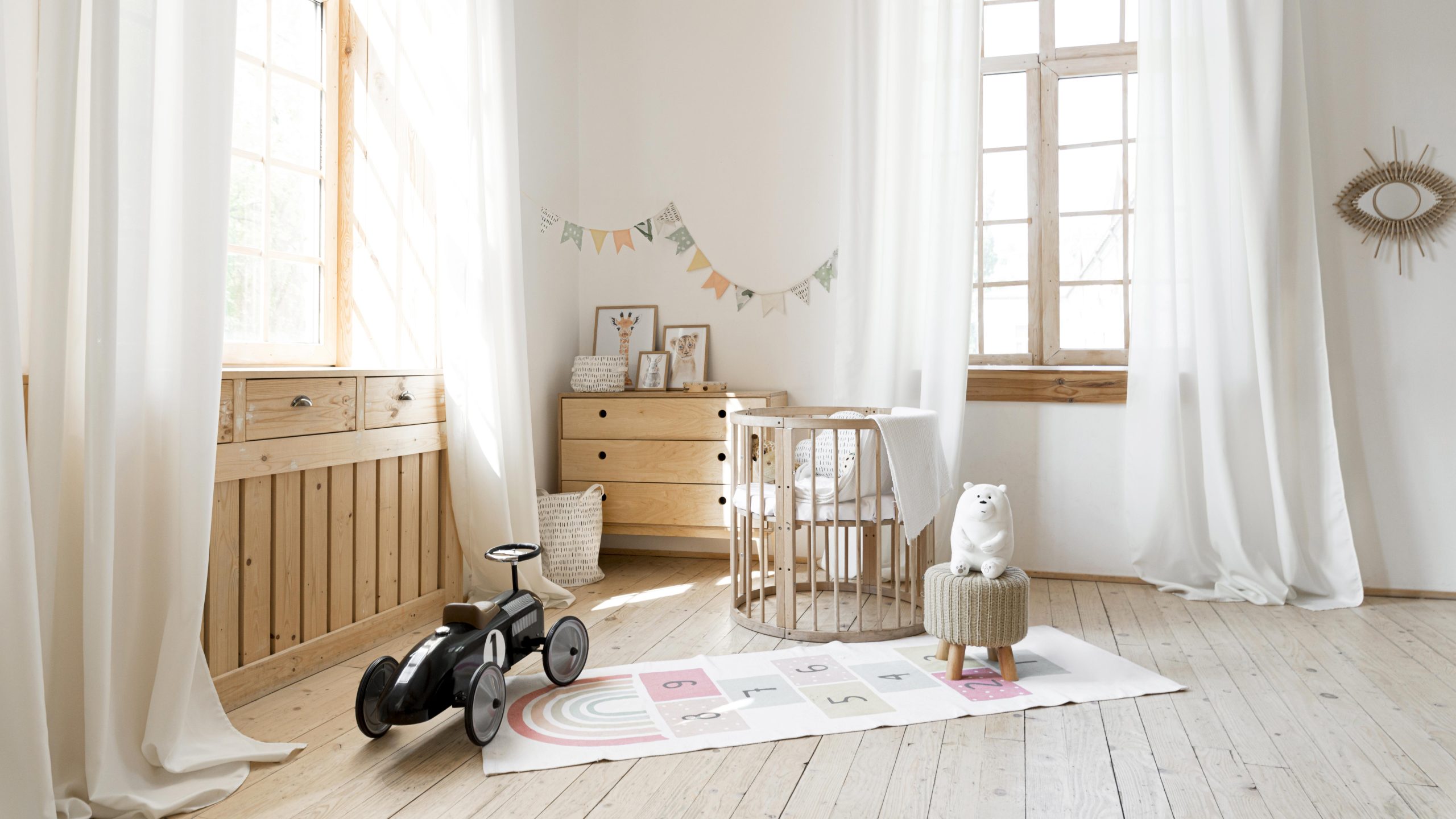
What's the ideal room temperature for sleep?
Creating the right sleep environment temperature is crucial for your child’s comfort and safety.
There is no perfect room temperature, but I often recommend 19-22°C (64-72°F).
Safety Considerations:
● Use a room thermometer
● Check child’s neck rather than hands/feet
● Never use loose blankets
● Avoid overheating
● Position cot away from radiators/drafts
Remember: It’s better to dress in layers that can be removed rather than having the room too warm. Cold children wake, but overheating is a SIDS risk factor.
When should I stop swaddling?
Swaddling is a wonderful tool for helping newborns sleep, but timing the transition out of it is crucial for safety.
When to Stop Swaddling:
● As soon as your child shows consistent signs of rolling (usually 3–4 months)
● When startle reflex begins to diminish
How to Transition:
-
Gradual Approach
● Start with one arm out
● Keep the same arm out for 2–3 nights
● Then release second arm -
Cold Turkey Method
● Switch directly to arms-free sleep sack
● Expect some adjustment period
● Usually takes 3–7 nights
● May need extra settling support initially
Tips for Success:
● Use transition swaddles (like Love to Dream)
● Consider sleep suits with fold-over mittens to avoid scratching
● Maintain all other sleep associations
● Be consistent with approach
Is white noise necessary for sleep?
While not absolutely necessary, white noise can be an incredibly valuable tool in your child’s sleep environment.
Why White Noise Helps:
-
Womb Simulation
● Mimics in-utero sounds
● Familiar and comforting
● Creates a known environment and is an unassisted sleep association -
Sleep Cycle Support
● Helps link sleep cycles
● Masks environmental noise
● Provides consistent sleep cue
● Can help overtired children tune in, to tune out
Using White Noise Effectively:
● Place machine 7ft from cot
● Keep volume around 55 decibels
● Play continuously during sleep
● Use for all sleep periods
● Choose consistent sound type
About the author

Sally provides advice on the development of good sleep habits and healthy sleep foundations, her approach to sleep is holistic and nurturing with an emphasis on consistency and support.
