


My number on hack when it comes to your child’s sleep is to ensure your child is warm enough. Did you know that for around 70% of the families I work with who struggle with their child’s sleep, their child is simply cold?
When putting your child to sleep, we often dress our children in less than what we as adults, wear overnight, causing them to be cold. Cold babies will catnap and wake throughout the night, as they aren’t able to regulate their body temperature.
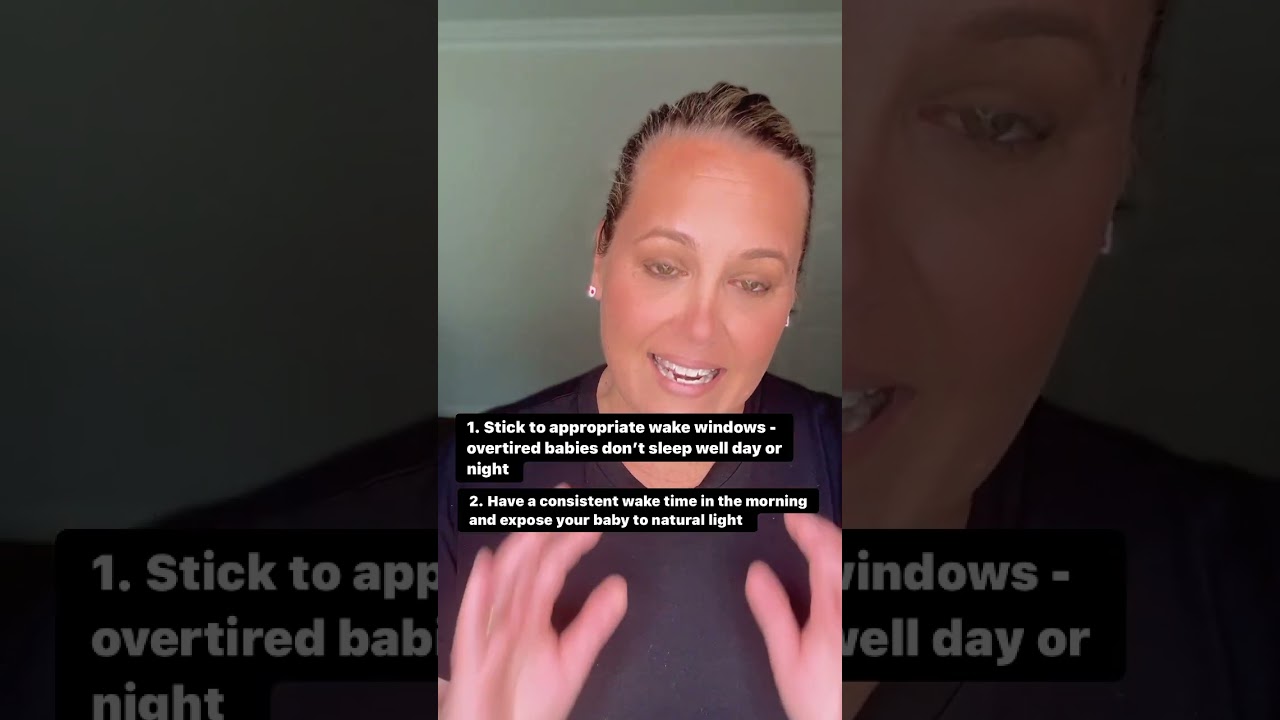
Another favourite tip of mine is one I don’t think many people tend to think about with a new baby, which Is exposing your little one to natural light. Exposure to natural light first thing in the morning can help ensure your little one’s internal body clock starts to sync into place, allowing your first nap of the day to fall into place then too – killing two birds with one stone.
Are there any popular tips and tricks that might be considered myths but could work?
More often than not, myths are just that. What works for some parents may not work for others, as each child and family situation is unique. There is a lot of information out there in the baby sleep world, and it’s all about sorting through that information and working out what works best for you.
What can I do as a last resort if my child is having a particularly difficult night’s sleep?
Enter survival mode. Honestly, there is no right or wrong when you are having a really bad night’s sleep. It’s all about doing what you can, safely, to get the sleep that everyone needs.
Reach out for guidance from trusted professionals if the poor sleep is ongoing, a medical check-up is also a good idea. Parents aren’t doctors, and we want to rule out anything medical.
Tap into your ‘village’. Sleep deprivation is torture and whilst there is an element of sleep deprivation associated with becoming a parent, it doesn’t need to be ongoing.
Should I keep anything in mind during the day, that might help my child sleep better at night?
There are a few key things to keep in mind throughout the day, which will help foster healthy sleep habits, including:
- Use appropriate wake windows during the day to rule out overtiredness – overtired babies are harder to settle and can be more wakeful.
- Sleep begets sleep, so understanding how much sleep on average your baby should be getting and working towards making that happen, even if it means assisting with the naps.
- Ensuring they get enough calories. Daytime calories are important, we need to be able to rule out hunger as a cause of poor sleep.
- Avoid blue light exposure – blue light exposure suppresses the production of melatonin which is that really beautiful sleep hormone. Getting outside, natural light in the afternoon is going to help their bodies produce serotonin which is a calming hormone that leads into a nice soothing bedtime.
About the author